The fire stick plant, also known as Euphorbia tirucalli or pencil cactus, is a striking succulent that has captured the hearts of plant enthusiasts worldwide. Known for its bright red to orange stems, it adds a splash of color and unique texture to indoor and outdoor spaces. Despite its dramatic appearance, this plant is surprisingly low-maintenance, making it perfect for both beginners and seasoned gardeners. In this guide, we’ll dive deep into everything you need to know about growing, caring for, and styling your fire stick plant.
What Is a Fire Stick Plant?
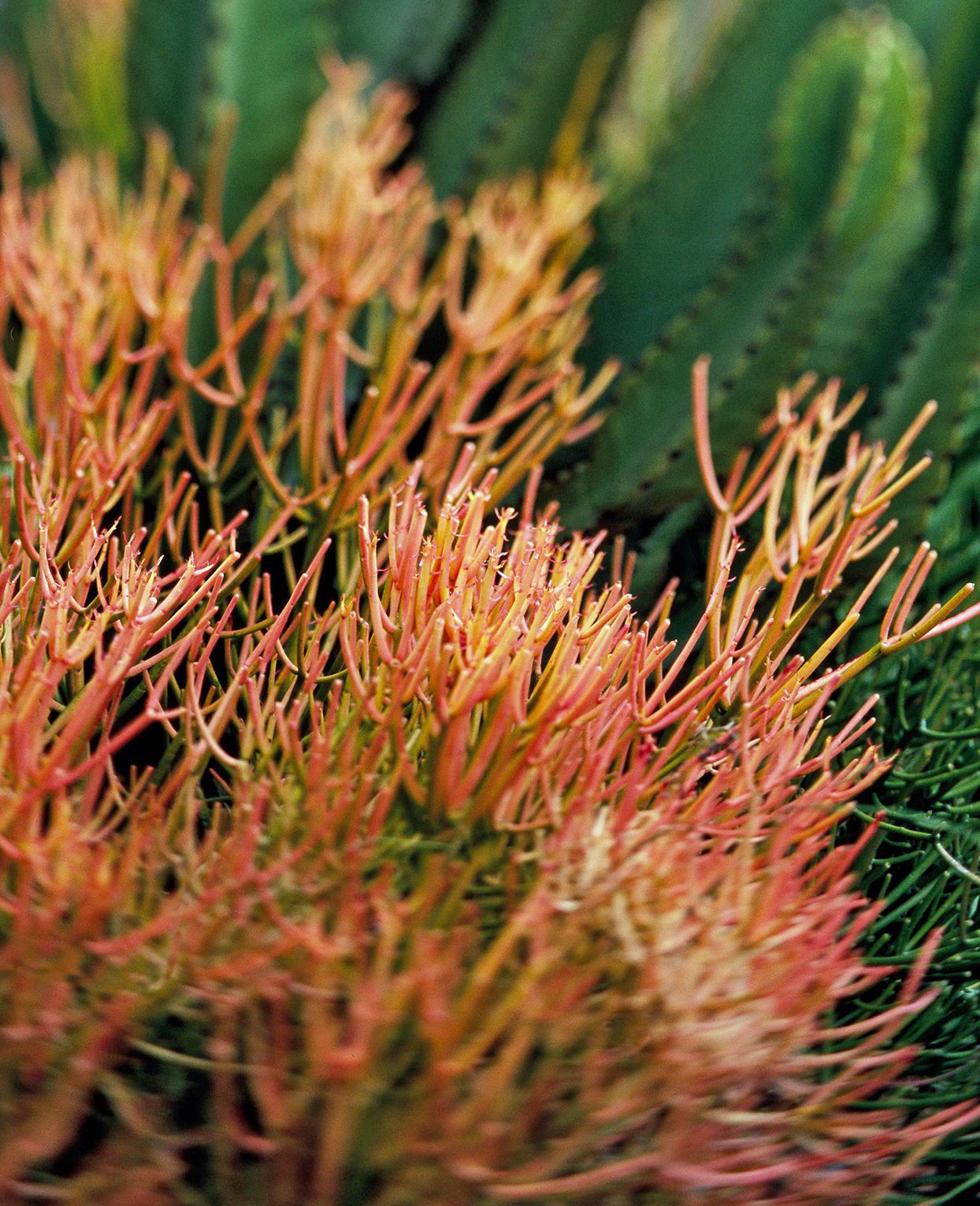
The fire stick plant is a succulent that originates from Africa and parts of India. It belongs to the Euphorbiaceae family, which includes other unique and hardy plants. Its tubular, pencil-like stems are the main attraction, turning vibrant shades of red, orange, and yellow when exposed to sunlight. This color transformation is what gives it the name “fire stick,” as the stems resemble burning embers or glowing flames.
Unlike typical leafy plants, the fire stick plant stores water in its stems rather than leaves. This adaptation allows it to thrive in arid environments and makes it extremely drought-tolerant. Its unusual appearance also makes it a favorite among collectors of rare and exotic plants, as it can be used both as a statement piece indoors and a bold feature in garden landscapes.
Another interesting fact is that the fire stick plant is technically a cactus-like succulent but is not a true cactus. Its sap contains a milky latex that can be toxic if ingested or if it comes in contact with skin, so handling it carefully is essential. Despite this, its vibrant beauty and ease of care make it a rewarding plant for anyone willing to take the proper precautions.
How to Care for a Fire Stick Plant
Caring for a fire stick plant is relatively straightforward if you understand its natural habitat and needs. First and foremost, sunlight is key. These plants thrive in bright, indirect sunlight or partial shade. Placing them near a sunny window indoors or in a garden spot that receives several hours of sunlight will help the stems maintain their fiery red color. Without adequate light, the plant may turn green, losing some of its dramatic appeal.
Watering is another crucial aspect of fire stick plant care. Since it is a succulent, it requires minimal water. Overwatering is the most common mistake people make. The soil should dry out completely between waterings. During the winter months, watering should be reduced even further because the plant goes into a dormant phase. Well-draining soil is also essential; a cactus or succulent mix works best to prevent root rot.
Temperature and humidity preferences for the fire stick plant align with its tropical origins. It enjoys warm conditions between 65°F to 85°F (18°C to 29°C) and does not tolerate frost. Indoor cultivation is ideal in cooler climates, whereas outdoor planting is suitable in USDA zones 10-12. Protecting the plant from cold drafts or sudden temperature drops ensures healthy growth and vibrant coloration.
Propagating Fire Stick Plants
One of the most Fire Stick Plant exciting aspects of fire stick plants is their ease of propagation. These plants can be propagated from cuttings, making them an excellent choice for gardeners looking to expand their collection or share with friends. To propagate, carefully cut a healthy stem with a sharp, clean knife. Always wear gloves, as the sap can irritate the skin and eyes.
After taking the cutting, allow it to dry for a few days to form a callus over the cut area. This reduces the risk of rot when the cutting is planted. Once calloused, plant the cutting in well-draining soil, water sparingly, and place it in a bright location with indirect sunlight. Over time, the cutting will develop roots and grow into a new plant.
Propagation is not only a practical way to multiply your plants but also a fun project that helps you learn more about plant growth patterns. Watching a small cutting transform into a vibrant, fiery specimen is one of the most rewarding experiences for plant enthusiasts.
Common Issues and How to Prevent Them
While the fire stick plant is generally low-maintenance, it is not entirely free from problems. One common issue is overwatering, which can lead to root rot. Using a well-draining soil mix and watering only when the soil is completely dry will prevent this. Another concern is exposure to cold temperatures, which can cause the stems to become discolored or shriveled.
Pests are relatively rare but can include mealybugs or spider mites. Regularly inspecting the plant and gently wiping down the stems can prevent infestations. If pests are detected, treating them promptly with insecticidal soap or neem oil usually resolves the issue.
Additionally, because the plant’s sap is toxic, children and pets should not be allowed to come into contact with it. Using gloves during pruning and placing the plant out of reach of small hands or curious pets will keep everyone safe while maintaining the plant’s health.
Styling and Display Tips
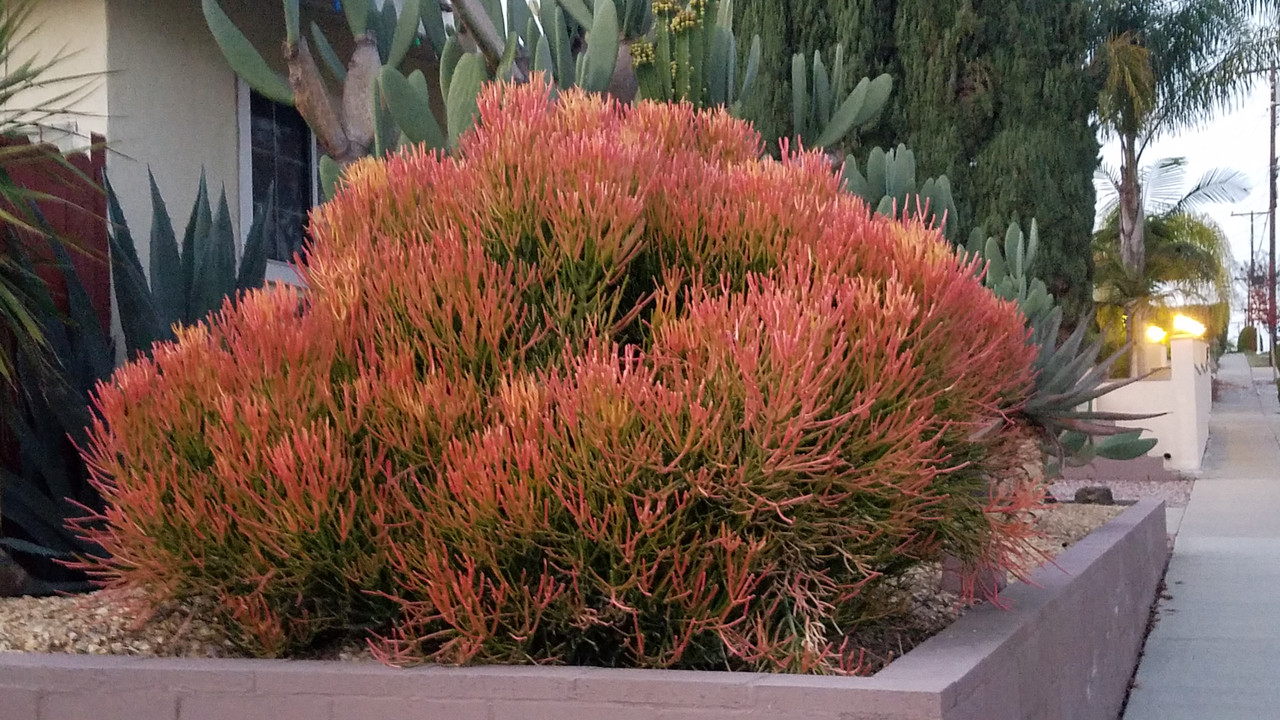
The fire stick plant is incredibly versatile when it comes to decor. Its bold, vertical stems make it ideal for modern, minimalist interiors, while its fiery colors add a tropical flair to outdoor gardens. It pairs beautifully with other succulents, cacti, or neutral-toned plants, creating a striking visual contrast.
For indoor spaces, consider placing the plant in a decorative pot with clean lines to enhance its sculptural appearance. Grouping several fire stick plants together can create a dramatic effect, mimicking a mini desert landscape. Outdoors, it can serve as a focal point in rock gardens, succulent beds, or xeriscaping projects.
Lighting also plays a significant role in styling. Placing the plant where sunlight hits the stems directly will enhance the red-orange hue, giving your space a lively, warm feel. Seasonal rotation of pots or repositioning can also help the plant receive balanced light and maintain its vibrant color throughout the year.
Conclusion
The fire stick plant is more than just a visually striking succulent—it’s a low-maintenance, adaptable, and rewarding plant to grow. With proper sunlight, minimal watering, and careful handling, it can thrive indoors or outdoors, adding a unique splash of color to any space. Its ease of propagation, combined with its dramatic appearance, makes it a favorite among both new and experienced plant lovers.