Hens and chicks, known scientifically as Sempervivum, are among the most beloved and resilient succulents in the gardening world. With their rosette shapes, ability to multiply rapidly, and minimal care requirements, they have become a favorite for both beginners and seasoned gardeners. Whether you’re looking to beautify a rock garden, create a striking container arrangement, or simply enjoy low-maintenance greenery, hens and chicks are an excellent choice. In this guide, we’ll cover everything from their characteristics to care tips and propagation techniques.
What Are Hens and Chicks?
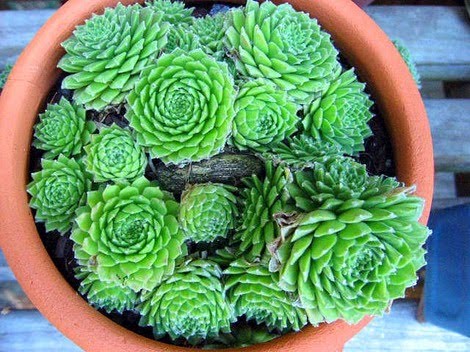
Hens and chicks get their charming name from their growth pattern. The “hen” refers to the main rosette, while the “chicks” are the smaller offsets that sprout around it. Over time, these offsets form clusters, creating an eye-catching display that can spread across your garden or container. The plants come in a variety of colors, including green, red, purple, and even blue-gray, making them incredibly versatile for decorative purposes.
These succulents are native to mountainous regions of Europe, thriving in rocky, well-drained soils. Their natural hardiness means they can withstand harsh conditions, including drought and frost, which makes them a perfect choice for gardeners looking for plants that require little intervention. Hens and chicks are also evergreen perennials, so their beauty persists throughout the year, offering seasonal charm no matter where you place them.
Beyond their visual appeal, hens and chicks are excellent for soil conservation and preventing erosion. Their dense, spreading mats hold soil in place, especially on slopes or rocky areas. They are also attractive to pollinators like bees, adding an eco-friendly aspect to your garden.
Varieties of Hens and Chicks
Hens and chicks are not just a single plant; there are hundreds of varieties, each with its unique characteristics. Some popular varieties include Sempervivum tectorum, which has deep green rosettes and red-tipped leaves, and Sempervivum arachnoideum, also known as the cobweb hen, which features delicate white filaments resembling spider webs. Other varieties boast vibrant purples, silvers, or bronze shades, allowing gardeners to create diverse and colorful displays.
Different varieties also vary in size. While some rosettes stay small and compact, perfect for rock gardens or container arrangements, others can grow larger and produce more offsets. This diversity makes it easy to mix and match varieties for a dynamic garden display. Additionally, certain types are more cold-hardy than others, so choosing the right variety for your climate is essential for long-term success.
Varieties of hens and chicks also differ in their flowering habits. Although their blooms are relatively small, they can be stunning, ranging from star-shaped pink, red, or yellow flowers. Flowering usually signals the end of the life cycle for the “hen” rosette, but the “chicks” continue to grow, ensuring your garden remains lush and full.
How to Grow Hens and Chicks
:max_bytes(150000):strip_icc()/how-to-care-for-hens-and-chicks-plants-2132609-03-5fb27be05f7f474db255d0130c533504.jpeg)
Growing Hens and Chicks is remarkably simple, even for novice gardeners. These succulents thrive in well-draining soil, so avoid heavy clay or overly compacted ground. A mixture of regular garden soil with sand or perlite works perfectly. If planting in containers, ensure pots have drainage holes to prevent root rot. Sunlight is crucial for their growth; they prefer full sun but can tolerate partial shade. In shaded areas, the rosettes may stretch and lose their compact shape.
Watering hens and chicks requires a delicate balance. Like most succulents, they store water in their leaves, meaning they are drought-tolerant. Water them deeply but infrequently, allowing the soil to dry out completely between waterings. Overwatering is one of the most common mistakes and can lead to rotting. In winter, reduce watering even further, as the plants enter a semi-dormant state.
Propagation is another rewarding aspect of growing hens and chicks. The “chicks” can be gently separated from the main plant and replanted to form new clusters. This process is easy and almost foolproof, allowing gardeners to multiply their plants without buying new ones. With minimal effort, a single plant can eventually turn into a lush, expansive colony.
Caring for Hens and Chicks
Although hens and chicks are low-maintenance, providing proper care ensures they remain healthy and vibrant. One important aspect is controlling pests. These succulents are generally pest-resistant, but they can occasionally attract aphids or mealybugs. Regularly inspect your plants and remove any pests with a gentle spray of water or a mild insecticidal solution.
Fertilizing hens and chicks is optional but can boost growth and color. Use a diluted, balanced fertilizer during the growing season, typically spring and summer. Avoid heavy feeding, as these plants are adapted to nutrient-poor soils and excessive fertilizer can harm them.
Maintaining the aesthetics of hens and chicks involves removing dead or dried rosettes, which keeps the plant cluster healthy and prevents disease. Trimming also encourages new growth and ensures that the “hen” remains prominent while the “chicks” continue to multiply.
Creative Ways to Use Hens and Chicks
Hens and chicks are incredibly versatile and can enhance various garden designs. They are perfect for rock gardens, providing color and texture against stones and gravel. Their spreading habit also makes them ideal for ground cover, particularly on slopes where soil erosion might be an issue. For container gardening, small pots or shallow dishes filled with different varieties create a miniature succulent landscape that can brighten patios, balconies, or indoor spaces.
Gardeners also enjoy integrating hens and chicks into unique projects, such as vertical gardens or succulent wreaths. Their rosette shapes and compact growth make them suitable for small spaces, allowing creative arrangements that are both functional and decorative. Combining them with other succulents or drought-tolerant plants enhances the visual appeal and diversity of your garden.
Additionally, hens and chicks can be used in landscaping to fill gaps between stepping stones or along pathways. Their ability to thrive in harsh conditions means they can flourish in areas where other plants struggle, adding greenery and softness to hardscaped surfaces.
Common Problems and Solutions
Despite their hardiness, hens and chicks can face some challenges. Overwatering is the most frequent issue, leading to root rot and mushy leaves. To prevent this, always check that the soil is dry before watering and avoid planting in areas with poor drainage. Another problem can be leggy growth, which occurs when plants don’t receive enough sunlight. Moving them to a sunnier location typically restores their compact rosette form.
Occasionally, hens and chicks may fail to multiply. This usually results from stress, poor soil conditions, or insufficient light. Ensuring the plant has proper growing conditions and separating offsets to reduce competition can help. In colder climates, protecting plants from prolonged frost with mulch or covering ensures their survival through winter.
Lastly, flowering can signal the death of the “hen” rosette, which might alarm gardeners. However, this is natural; the offsets continue to thrive and expand, ensuring your plant colony remains healthy. Understanding these growth cycles allows you to enjoy the beauty of hens and chicks without worry.
Conclusion
Hens and chicks are a perfect combination of beauty, resilience, and simplicity. Their charming rosettes, variety of colors, and easy propagation make them a staple for any succulent enthusiast. Whether used in rock gardens, containers, or as ground cover, they provide year-round interest with minimal effort. By understanding their growth habits, care requirements, and creative uses, anyone can cultivate thriving clusters of these delightful succulents. With hens and chicks, gardening becomes both rewarding and visually enchanting, proving that sometimes the simplest plants bring the greatest joy.