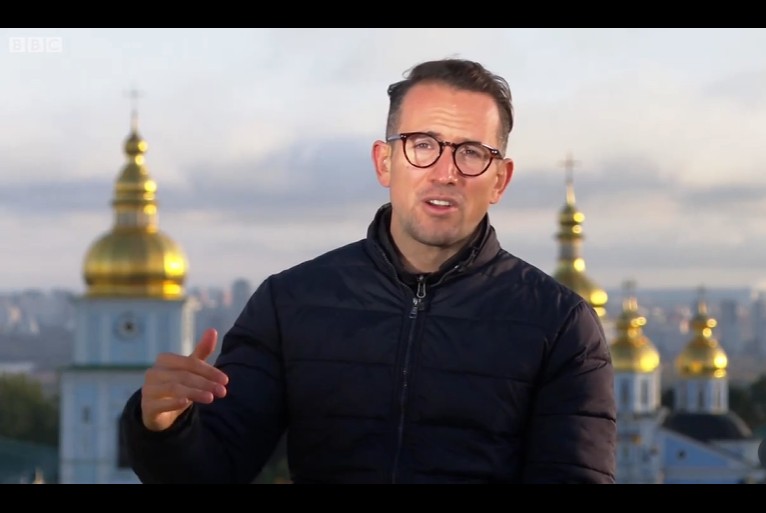
Introduction: Why Everyone’s Talking About Hugo Bachega’s Accent
If you’ve ever tuned into Hugo Bachega’s Accent BBC News or one of Hugo Bachega’s international reports, you’ve probably caught yourself wondering — where exactly is that accent from? It’s smooth, global, and hard to pin down. There’s a melodic rhythm to his speech that feels distinctly international, yet not rooted in any one place. And that’s what makes Hugo Bachega’s accent such a fascinating topic of conversation online.
In a world where voices often reveal our backgrounds instantly, Hugo’s is an intriguing exception. Some hear hints of Brazilian softness, others detect traces of British polish, and a few even note an undertone of something transatlantic. His accent doesn’t just tell a story — it represents an entire career spent moving between countries, cultures, and languages.
The curiosity around Hugo Bachega’s accent isn’t just about sound — it’s about identity. How does someone develop a voice that feels global yet personal? Let’s explore where that unique tone comes from, what it reveals about his background, and why it perfectly fits the journalist he has become.
Hugo Bachega: A Brief Look at His Global Background
To understand his accent, you have to start with Hugo Bachega’s journey. Born in Brazil, Hugo grew up speaking Portuguese, a language known for its lyrical tone and soft consonants. That linguistic foundation already set him apart from English speakers who grow up with sharper, more defined sounds. Over the years, however, Bachega’s exposure to English and other languages refined his natural Brazilian lilt into something much more nuanced.
As a correspondent for the BBC, Hugo has spent years reporting from some of the most politically complex and linguistically diverse regions in the world. From covering the war in Ukraine to reporting from the Middle East and Latin America, he’s been constantly surrounded by people speaking in different accents and dialects. Naturally, his own speech evolved — adapting to each linguistic environment like a chameleon.
It’s no surprise, then, that his accent doesn’t fit neatly into any single box. It’s a blend — a smooth mixture of his Brazilian origins, his exposure to British English, and his experience living and working internationally. It’s the kind of accent you develop not from studying a language in a classroom, but from living it day after day in different corners of the world.
The Blend of Influences: Brazilian Roots Meet British Precision
The most striking thing about Hugo Bachega’s accent is how balanced it sounds. You can hear the warmth and musicality of Brazilian Portuguese underneath, yet the clarity and crispness of British English come through strongly. It’s almost as if his voice bridges two worlds — Latin rhythm and European refinement.
In Brazilian Portuguese, vowels are rounded and open, and there’s a natural flow between words that creates a smooth, melodic quality. This influence gives Hugo’s English an appealing softness — a rhythm that’s easy on the ears and distinct from the sharper tones of native British broadcasters. But then there’s the unmistakable British influence: precise articulation, consistent pacing, and a subtle confidence that makes his reporting sound effortlessly professional.
This hybrid accent also helps him connect with international audiences. His delivery is globally accessible, allowing viewers from London to São Paulo to feel equally comfortable listening to him. In journalism — especially global journalism — that’s an invaluable skill. His accent isn’t just an aesthetic feature; it’s a tool for connection, clarity, and credibility.
How an International Career Shapes a Person’s Accent

Accents aren’t static. They Hugo Bachega’s Accent evolve with our environment, and Hugo Bachega is a living example of that. Imagine constantly switching between English and Portuguese, interacting with people from the Middle East, Eastern Europe, and beyond — your speech would naturally start blending elements from each.
For journalists who travel widely, this phenomenon is common. When you’re exposed to multiple accents daily, your ear becomes attuned to subtle differences in tone, pronunciation, and rhythm. Over time, your own speech unconsciously adapts — smoothing out regional quirks and adopting a more neutral, global sound.
That’s exactly what seems to have happened with Hugo. His accent reflects years of listening carefully, mirroring, and adapting — all skills essential for a journalist working in international environments. His voice has become his professional trademark: clear, relatable, and refined enough to transcend borders. In many ways, his accent mirrors his reporting style — informed, balanced, and globally aware.
Why Hugo Bachega’s Accent Stands Out on the BBC
The BBC is known for its polished, diverse lineup of presenters, many of whom have distinct accents that reflect the network’s international reach. But Hugo Bachega’s voice stands out even in that elite crowd. It’s not because it’s exotic or heavily regional — it’s because it’s seamlessly global.
In a time when media networks are striving to represent international perspectives, having a voice that embodies cross-cultural experience is powerful. Hugo’s accent carries authority, but also warmth. It doesn’t sound detached or overly formal — instead, it feels relatable, as though he’s speaking to people from every background.
What’s interesting is that his accent doesn’t seem deliberately crafted. It’s natural, authentic, and unforced — a genuine reflection of his international journey. That authenticity gives his reporting more credibility. Audiences sense that this isn’t someone who’s performing professionalism; it’s someone who has lived across worlds and understands them deeply.
The Psychology of Accent Perception: Why We Notice Hugo’s Voice
Part of why people are so intrigued by Hugo Bachega’s accent has to do with how humans perceive voices in general. Accents influence how we judge someone’s credibility, warmth, and intelligence — often subconsciously. A distinctive or unfamiliar accent stands out, prompting curiosity and, sometimes, admiration.
In Hugo’s case, his accent defies easy classification, which makes it even more engaging. Listeners can’t immediately label it as British, American, or Brazilian, so their attention naturally lingers on the way he speaks. This subtle ambiguity actually works to his advantage, making his on-screen presence memorable and distinct from others.
There’s also an element of trust involved. People often associate balanced, neutral accents with reliability — especially in journalism. Hugo’s accent strikes that perfect balance: clear enough to convey authority, yet warm enough to inspire confidence. It’s the kind of voice you want delivering world news — serious yet human.
Cultural Identity Through Accent: A Modern Reflection
An accent isn’t just about pronunciation; it’s a cultural fingerprint. In Hugo Bachega’s case, his accent reflects not only his personal background but also a modern, global identity. In a world where people move, study, and work internationally, more individuals are developing these blended, borderless accents — and Hugo represents that evolution perfectly.
He’s not confined to one nationality in the way he speaks, and that mirrors the globalized world we live in today. Listeners from multiple continents can find something familiar in his tone, something that bridges rather than separates cultures. It’s a reminder that language and accent can be both deeply personal and universally connecting.
In that sense, Hugo Bachega’s accent isn’t just an auditory curiosity — it’s a symbol of a generation that belongs everywhere and nowhere at once. It reflects flexibility, adaptability, and the ability to thrive in multicultural environments — traits that define modern journalism.
Conclusion: The Voice of a Global Journalist
Hugo Bachega’s accent is more than just a topic of fascination — it’s a story in itself. It tells of a Brazilian-born journalist who’s spent years crossing borders, absorbing cultures, and mastering the art of global communication. His voice carries the rhythm of Portuguese, the precision of British English, and the neutrality of international experience — a combination that few can replicate.
In an era where communication crosses continents instantly, Hugo Bachega’s accent feels perfectly suited for the modern world. It’s an accent that doesn’t belong to one country but to the entire globe — much like the journalist himself. Whether reporting from a war zone or anchoring a breaking story, his voice reminds us that in journalism, clarity, authenticity, and cultural empathy matter more than where you come from.
So the next time you hear Hugo Bachega speak, listen closely. Behind that smooth, distinctive accent lies a lifetime of experiences — and the unmistakable sound of a world citizen telling stories that matter.