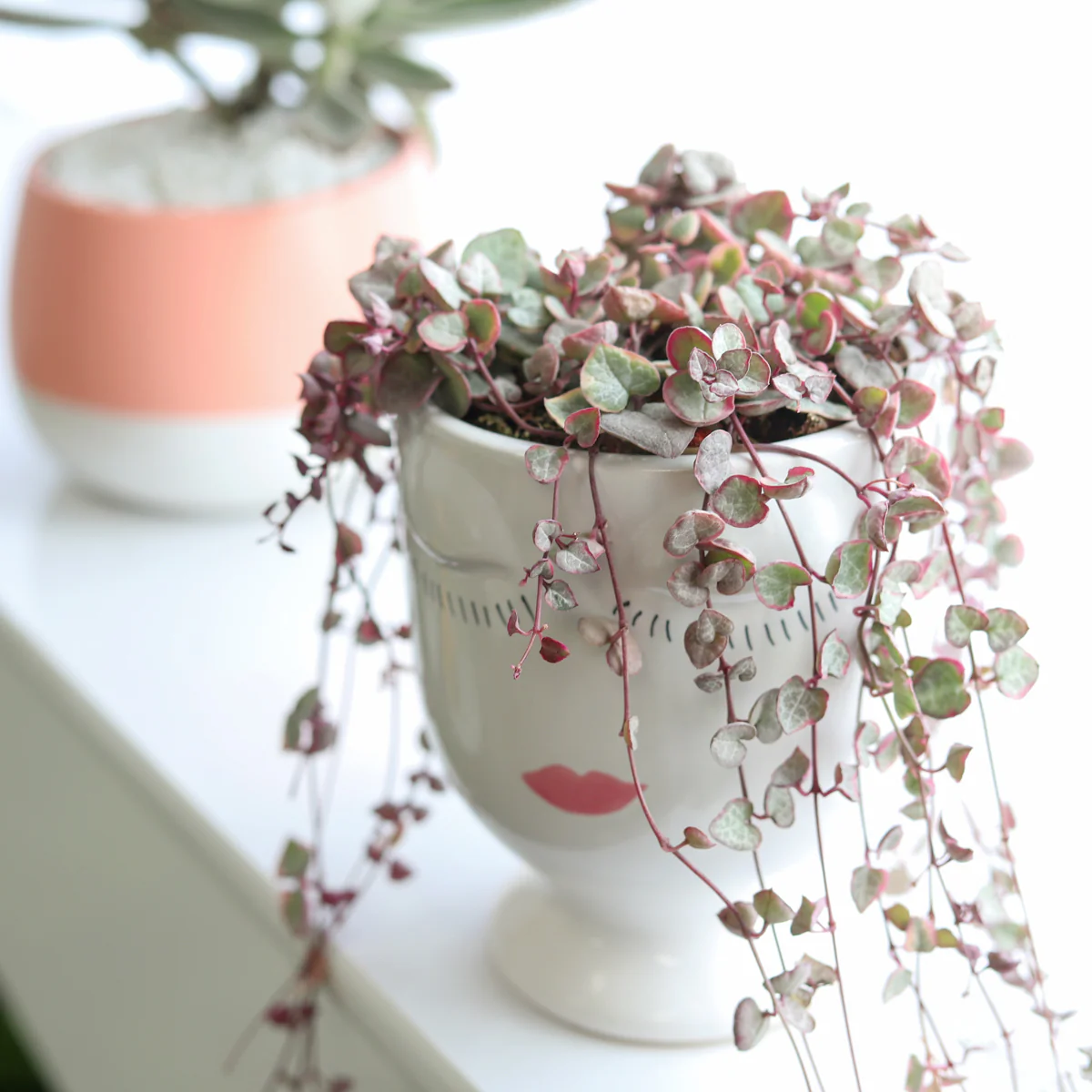
The Variegated String of Hearts (Ceropegia woodii variegata) is one of the most captivating trailing plants you can add to your home or garden. With delicate, heart-shaped leaves splashed with creamy white and soft green hues, this plant doesn’t just thrive in hanging baskets—it makes any space feel lively and charming. In this article, we’ll dive deep into everything you need to know about growing, caring for, and showcasing your variegated string of hearts.
Understanding the Variegated String of Hearts
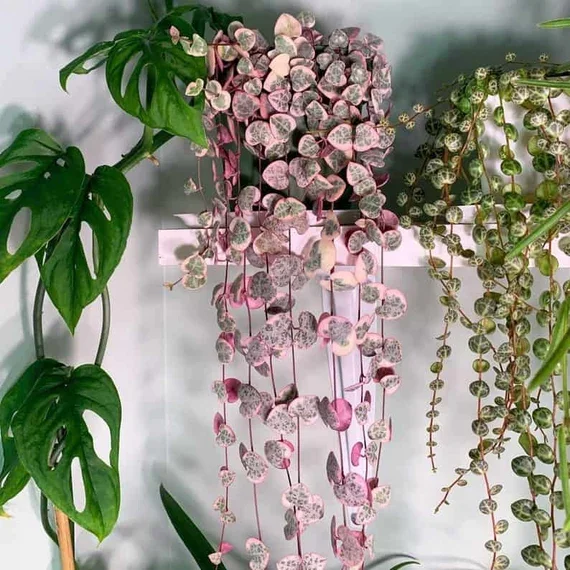
The variegated string of hearts is a stunning cultivar of the popular String of Hearts (Ceropegia woodii), native to South Africa. What sets it apart is the variegation on its leaves, which features a mix of green, cream, and sometimes pinkish tones. Each leaf is shaped like a tiny heart, giving the plant its romantic and whimsical appeal.
This plant is a succulent-like perennial vine, meaning it stores water in its fleshy leaves and tolerates periods of dryness better than many other houseplants. Despite its delicate appearance, it’s surprisingly hardy and resilient when given proper care. The trailing stems can grow several feet long, making it perfect for hanging planters, shelves, or cascading over the edges of pots.
Variegation in plants like this adds an extra layer of charm but comes with a caveat: variegated plants tend to grow more slowly than their fully green counterparts. The lighter areas on the leaves contain less chlorophyll, which slightly reduces their photosynthetic capacity. This makes attention to light and care even more important.
Ideal Light Conditions for a Variegated String of Hearts
One of the first things to consider when caring for a variegated string of hearts is light. This plant thrives in bright, indirect sunlight. A spot near an east-facing window is ideal, where it can receive morning sun without harsh, direct rays. Southern-facing windows work too, but you may need sheer curtains to prevent leaf scorching.
While it can tolerate lower light conditions, doing so may cause the variegation to fade. In dim light, the leaves may turn more green, losing the delicate cream patterns that make it so visually appealing. Conversely, too much direct sun can burn the leaves, creating brown patches or crispy edges.
If natural light is limited, grow lights can be a fantastic solution. Aim for 12–14 hours of bright light daily to maintain healthy growth and vibrant variegation. Rotating the plant occasionally ensures all vines receive an even share of light, helping the trailing stems grow uniformly and preventing leggy growth.
Soil and Potting Needs
The Variegated String of Hearts prefers a well-draining soil mix to prevent root rot. A combination of cactus or succulent soil with added perlite or pumice works perfectly. These components ensure water drains quickly, which is crucial because this plant is prone to rot if it sits in soggy soil.
When selecting a pot, choose one with drainage holes. Hanging baskets or shallow pots are excellent choices since they accommodate trailing growth without crowding the roots. A shallow pot is sufficient because the roots of the string of hearts are relatively shallow, but make sure it’s not so small that the plant becomes root-bound too quickly.
Repotting is typically needed every 2–3 years or when the plant outgrows its container. Spring is the best time for repotting, as the plant enters its active growing season. During repotting, you can gently untangle the roots and refresh the soil to maintain nutrient levels.
Watering Your Variegated String of Hearts
Watering is where many plant owners struggle, but the variegated string of hearts is forgiving if you get the rhythm right. The general rule is: let the soil dry out between waterings. During the growing season (spring and summer), water thoroughly when the top inch of soil feels dry. Reduce watering significantly in winter when the plant goes dormant.
Overwatering is a common issue, leading to root rot and yellowing leaves. Underwatering, on the other hand, may cause the leaves to shrivel but usually won’t kill the plant. Because the plant stores water in its leaves, it can handle occasional droughts better than overwatering mistakes.
A helpful tip: water the plant at the base, avoiding the leaves. This keeps the foliage dry and prevents fungal issues. Using room temperature water also reduces shock to the roots.
Temperature and Humidity Requirements
Variegated string of hearts is a tropical plant, thriving in temperatures between 60–85°F (15–29°C). It is not frost-tolerant, so it must be kept indoors or in a protected area if your region experiences cold winters.
Although it tolerates average indoor humidity, it appreciates slightly higher humidity levels. If your home is dry, especially during winter months, consider using a humidifier or placing the plant on a pebble tray with water to increase localized humidity. Proper air circulation is also key to preventing fungal problems.
Pruning, Propagation, and Maintenance
Pruning helps maintain a tidy appearance and encourages fuller growth. Trim long, leggy stems, especially if the plant is becoming sparse. Don’t discard these trimmings—they are perfect for propagation!
The variegated string of hearts is incredibly easy to propagate. Simply cut a healthy vine, allow the cut end to dry for a day, and then place it in water or directly into soil. Roots typically form within a few weeks, making propagation both rewarding and fun. You can also propagate by tuber division, as the plant often produces small bulb-like tubers along its stems.
Routine maintenance includes removing dead or yellowing leaves and checking for pests like mealybugs and aphids, which occasionally affect trailing plants. Keeping the foliage clean and monitoring the plant regularly ensures long-term health and beauty.
Displaying Your Variegated String of Hearts
This plant is a visual showstopper. Its cascading vines are perfect for hanging planters, macramé holders, or placing on a high shelf so the stems can dangle freely. You can also train the vines along a trellis or around window frames for a unique indoor garden aesthetic.
The variegated leaves add a light, airy feel to interiors. It pairs beautifully with neutral decor, wooden furniture, or even other houseplants with contrasting textures. Because it’s lightweight and flexible, it’s easy to move the plant around to catch optimal light or create seasonal displays.
Common Issues and How to Fix Them
Even with proper care, minor problems can occur. Yellowing leaves usually indicate overwatering or poor drainage. Pale or faded leaves may signal insufficient light. Drooping stems often mean the plant needs water, while crispy leaf edges indicate too much sun or dry air.
Pests like mealybugs can be treated with insecticidal soap or by wiping the affected areas with rubbing alcohol. Regular inspections and early interventions help prevent serious infestations. By understanding these common issues, you can proactively address them and keep your plant thriving.
Conclusion
The variegated string of hearts is a must-have for plant enthusiasts who love a mix of beauty and ease of care. Its delicate, heart-shaped leaves with variegated patterns make it a standout in any room, while its trailing vines offer endless styling possibilities. With the right light, soil, watering routine, and a little attention to pruning and propagation, this plant can thrive for years, creating a lush, romantic display.